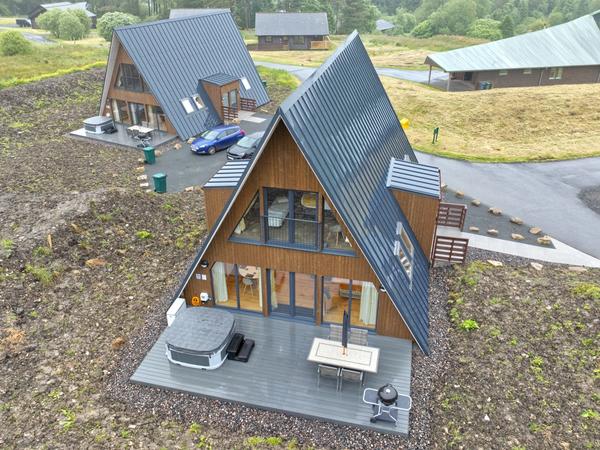
Affordable housing isn't free of cost, just free of the usual price. Here are the three trade-offs it actually asks of you.
Read More »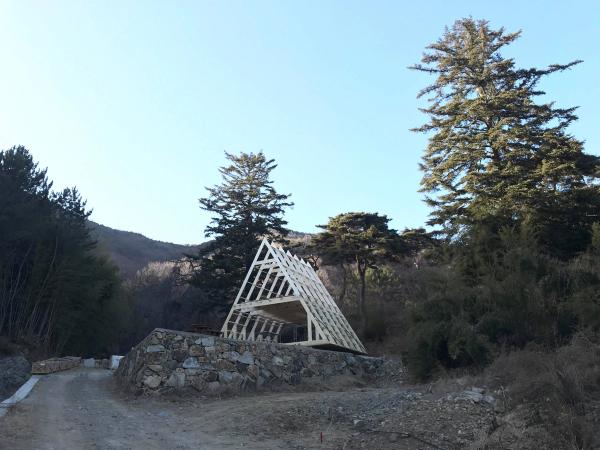
You get affordable housing by controlling the variables that drive up cost: buying land instead of relying on listings or builders, choosing a cheaper location, going off-grid where it makes sense, right-sizing the house, separating needs from wants, and building with a pre-engineered kit system instead of conventional construction.
Read More »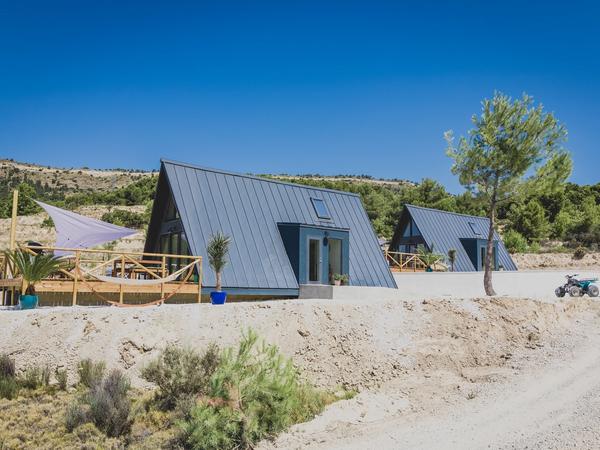
Affordable housing is not a house type, a price tag, or a subsidy program. It is any home where housing costs stay at or below roughly a third of the household's income. A $2,000 payment is affordable on a $6,000 income and unaffordable on a $4,000 one. The house never changes. The math does.
Read More »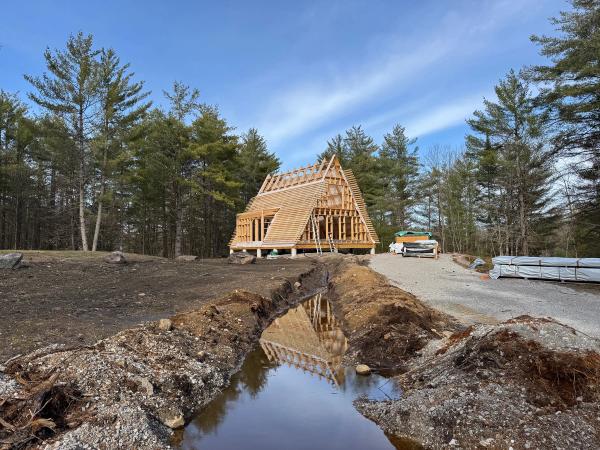
Construction cost is the number your builder gives you. Total cost is the number you'll actually live with.
Read More »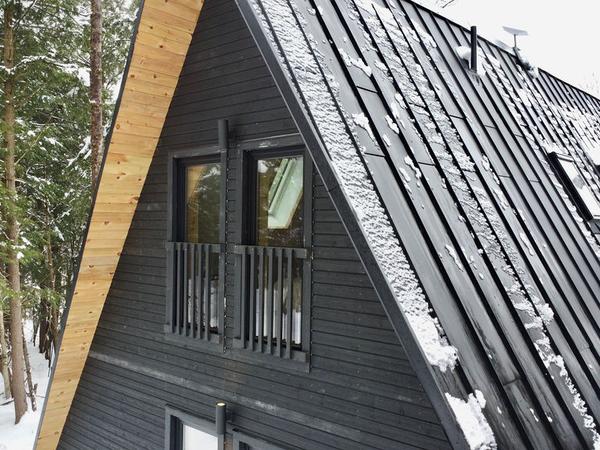
A-frame houses cost less to maintain than traditional homes because of four structural facts: the steeply pitched roof is largely self-cleaning and sheds snow and debris without gutters; RUUKKI standing seam steel roofing carries a 50-year structural warranty; factory-applied UV-hardened paint on gable cladding outlasts any on-site finish; and the compact triangular volume means less air to heat and cool.
Read More »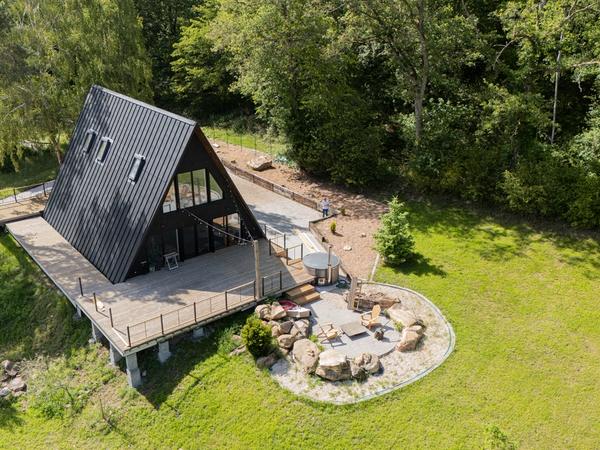
The real cost of building a home has two parts: the build cost and the long-term running cost. Most people budget for construction and stop there. But a house, like a car, costs money to run every year. Heating, maintenance, upkeep. Over 40 years, that number is often larger than the build itself.
Read More »